Glycine for sleep: what 3 g actually does
A sweet-tasting amino acid that helps the body cool down for sleep. What the 3 g studies found, and why Evening has more than that.
The short version
- Glycine is an amino acid your body already makes and uses. It tastes faintly sweet.
- Small studies gave 3 g before bed and saw better self-rated sleep and less next-day tiredness.
- It seems to help the body shed heat, one of the signals that it's time to sleep.
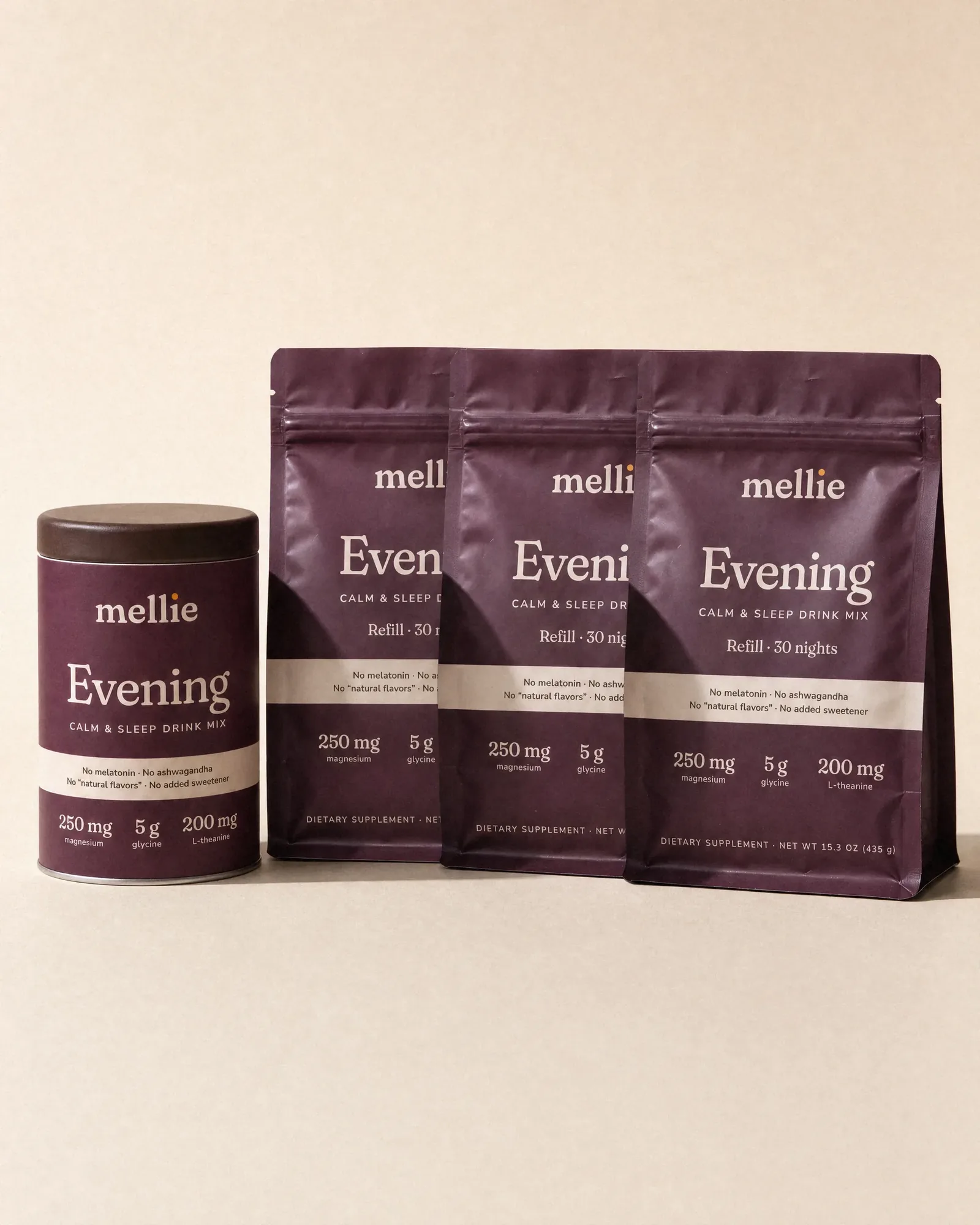
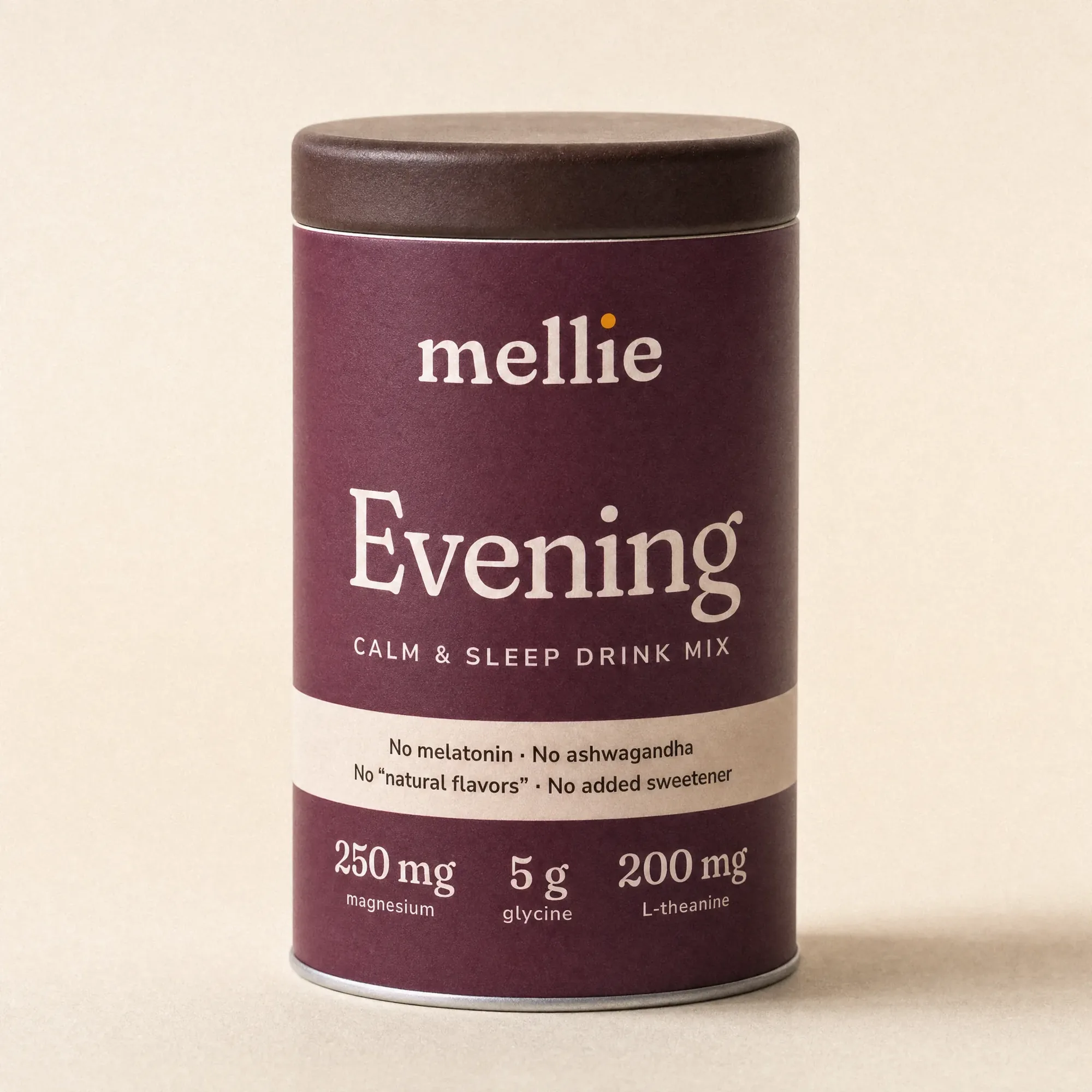
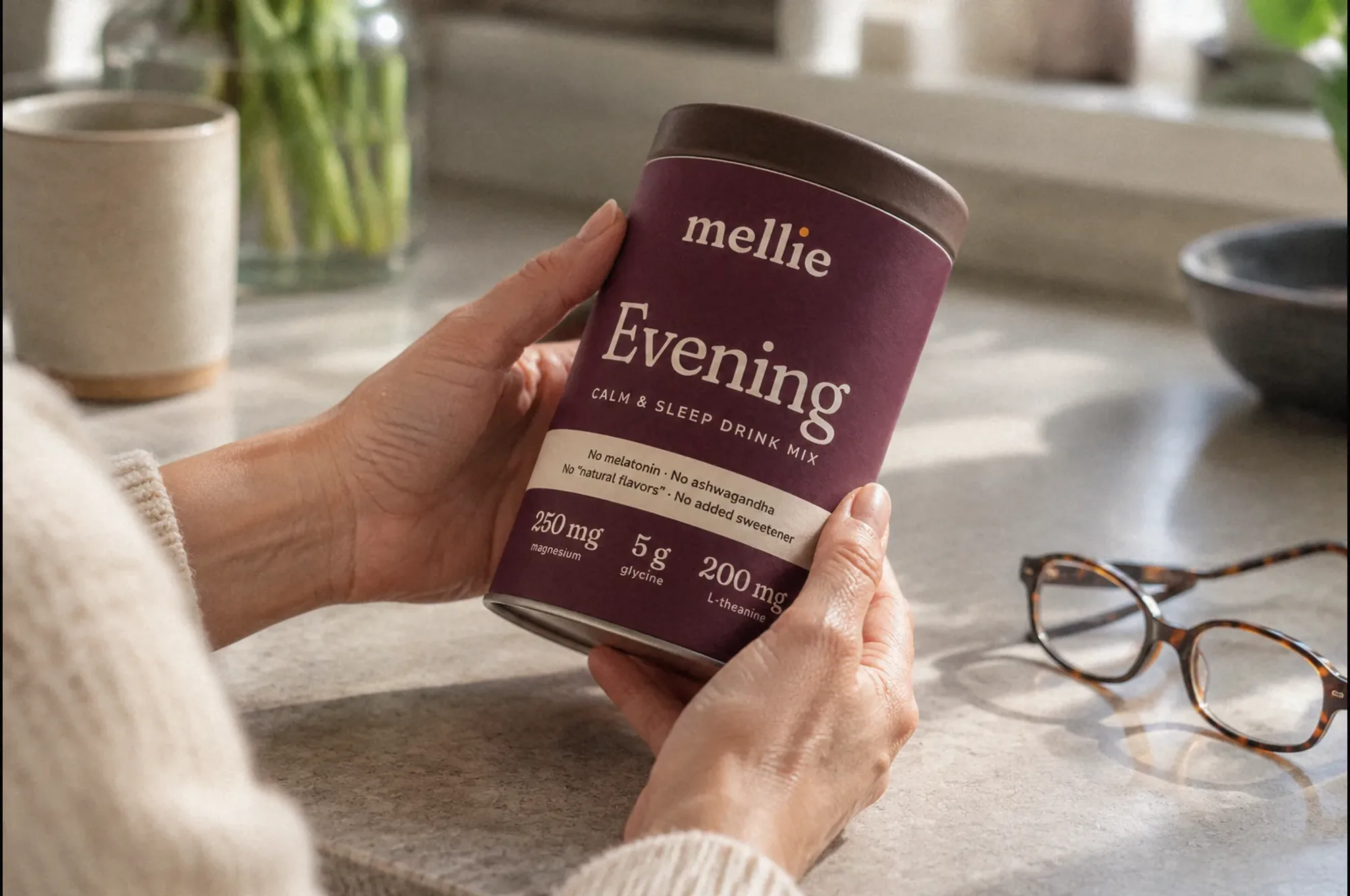
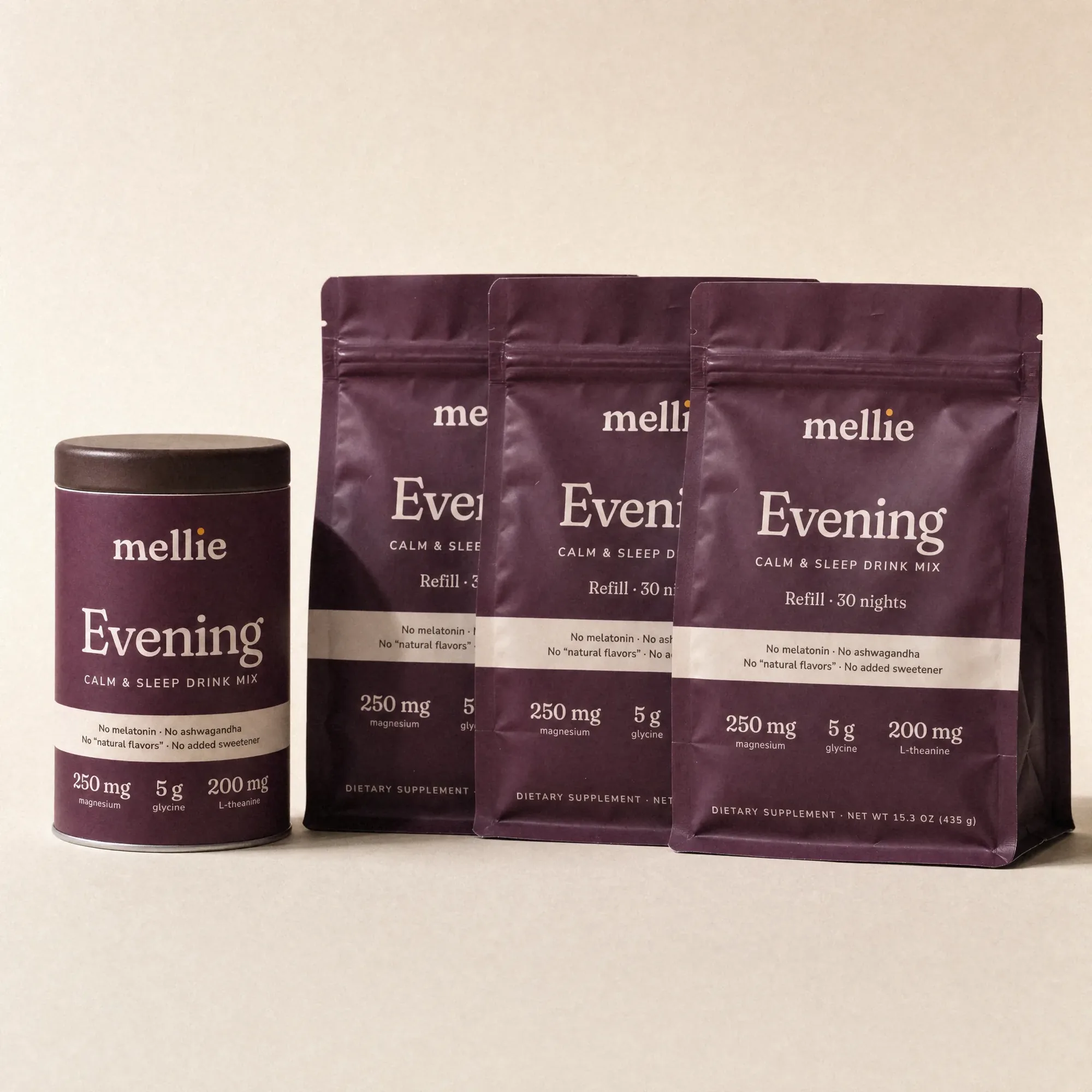
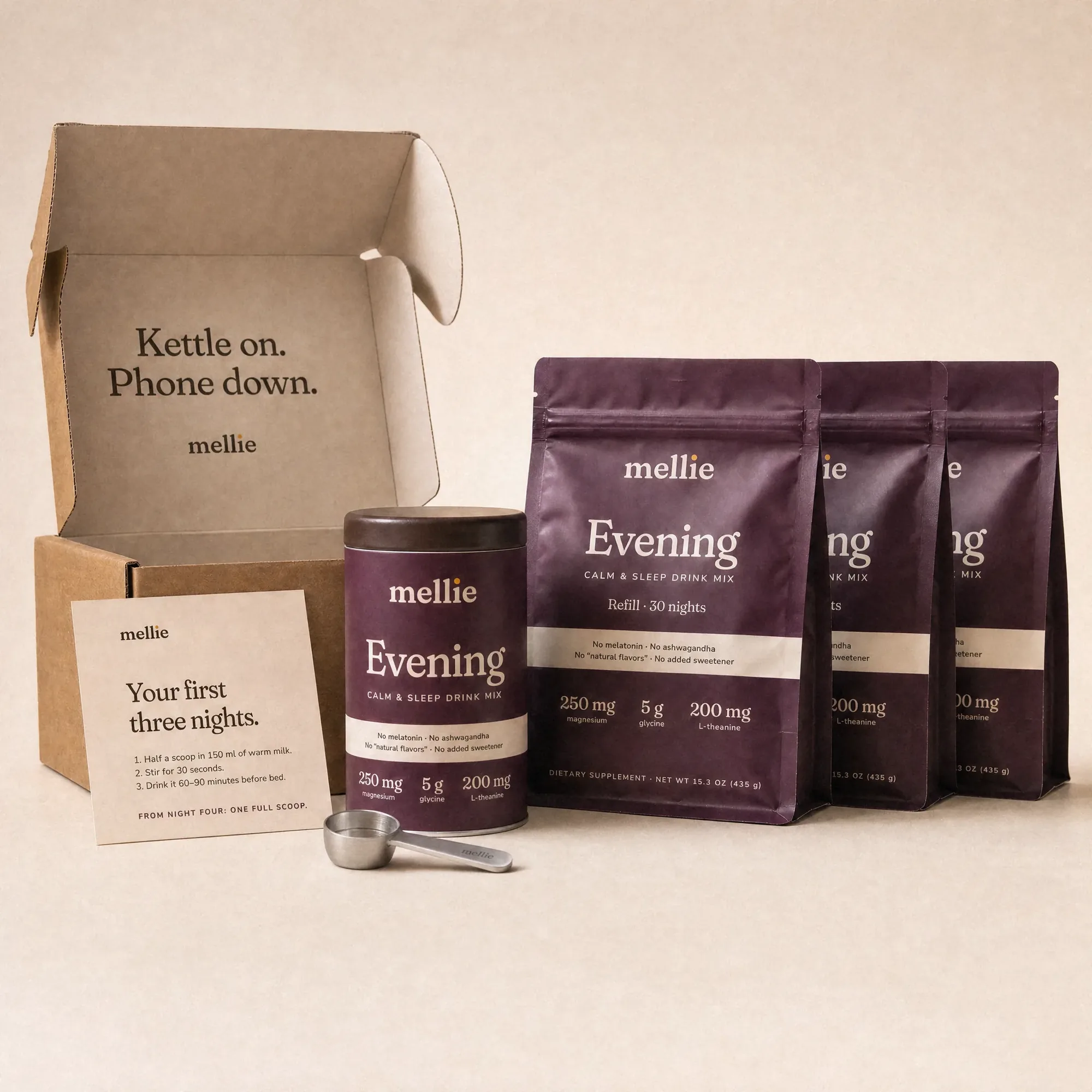
- Evening has 5 g: more than the 3 g used in sleep studies, and part of why it tastes sweet with no sweetener.
What glycine is
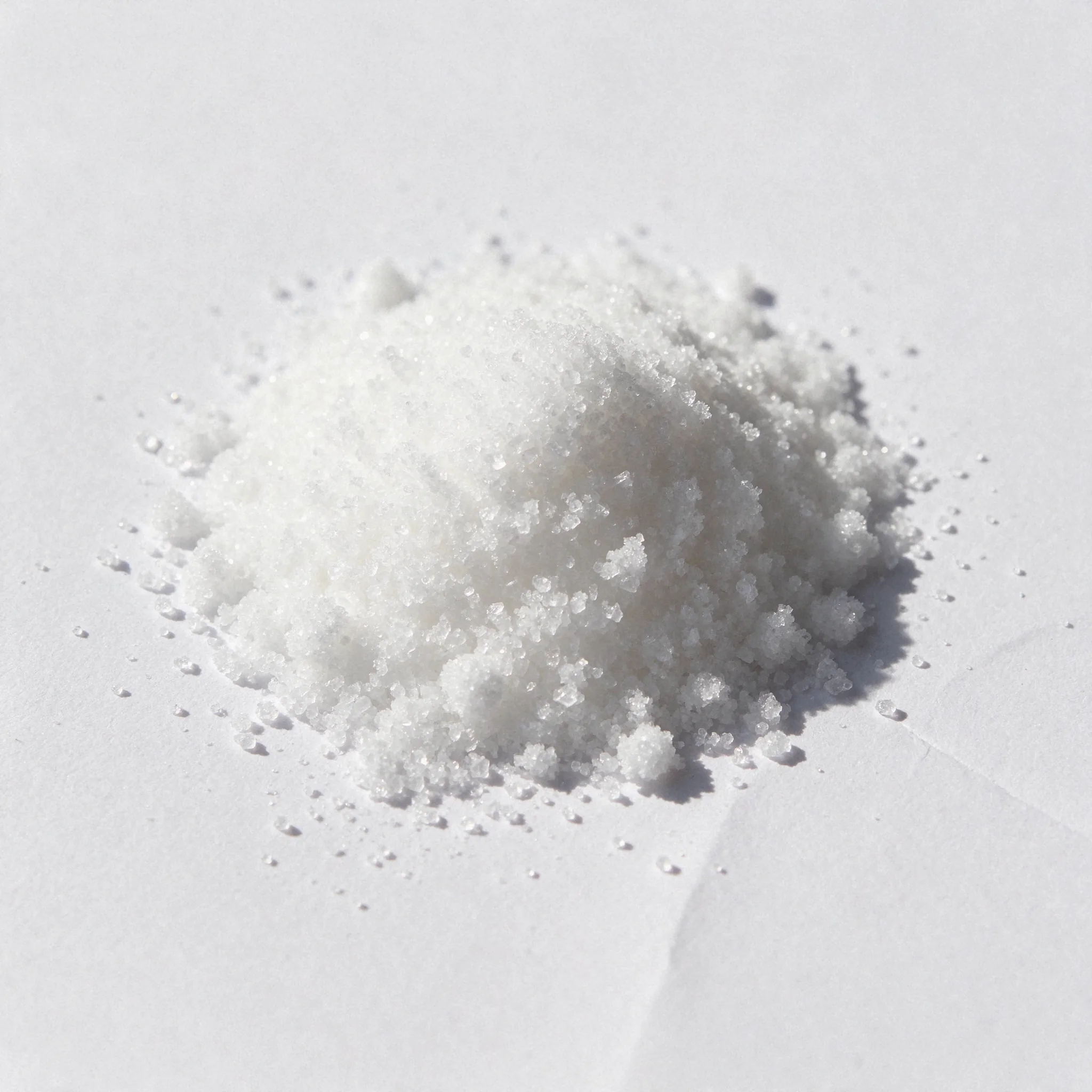
Glycine is the smallest amino acid. You eat it in meat, fish and collagen, and your body makes it too. As a powder it is white, dissolves easily and tastes gently sweet, which matters more than you'd think in a drink with no sweetener.
What the 3 g studies found
A handful of small Japanese studies gave volunteers 3 g of glycine before bed. People reported falling asleep more easily, sleeping better and feeling less tired the next day. Some studies measured sleep in a lab and saw changes in the same direction.
How it seems to work: cooling down
To fall asleep, your core temperature needs to drop a little. Glycine appears to help by widening blood vessels in the hands and feet, so heat leaves the body faster. It's the same reason a warm bath an hour before bed can help: warm skin, cooler core.
Why Evening has 5 g
We started at 3 g and moved to 5 g for two reasons: more of the cool-down effect, and more natural sweetness so we never needed monk fruit or stevia. On the tin we say it plainly: more than the 3 g used in sleep studies.
How to take it
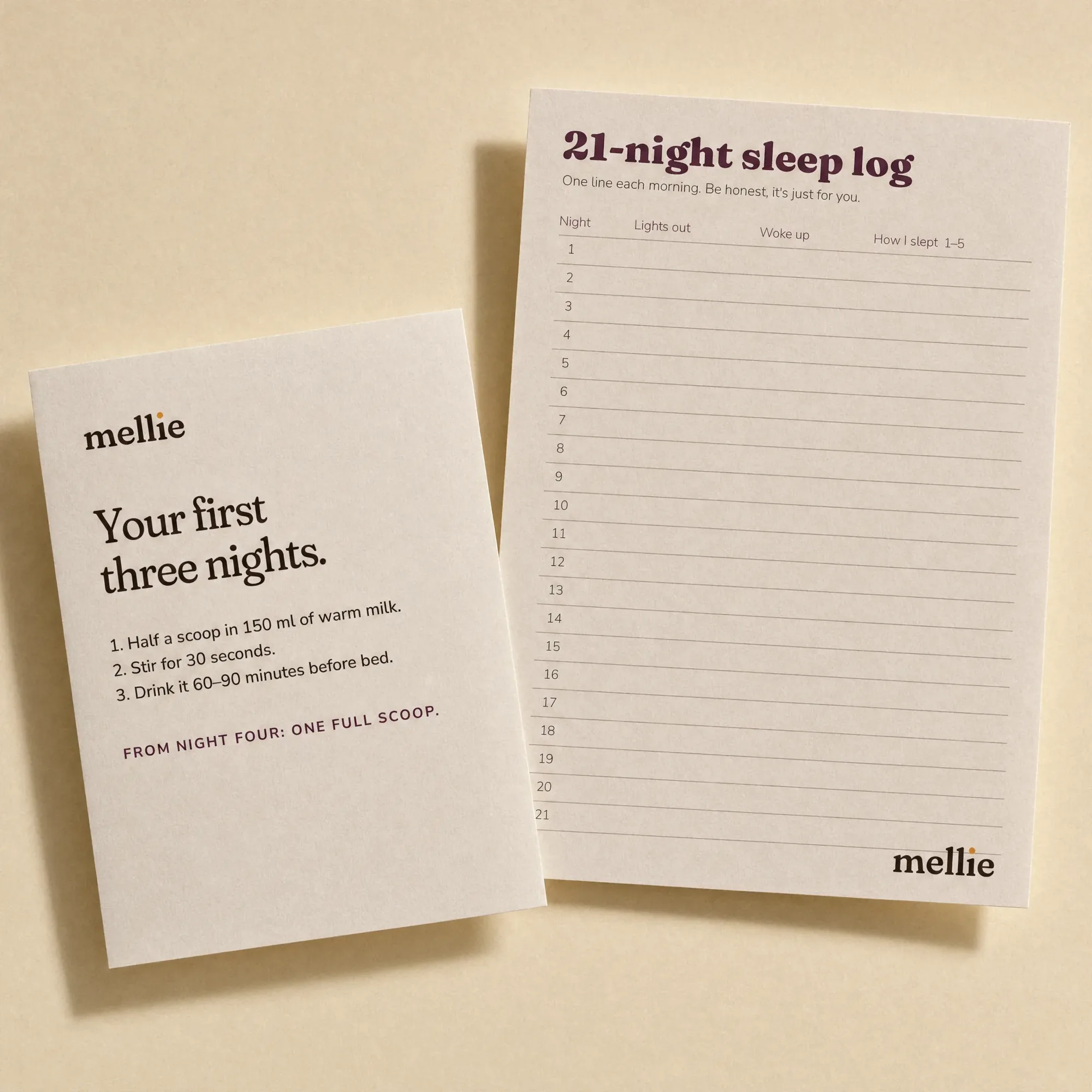
- About an hour before bed, in a warm drink or water.
- Most nights, for two to three weeks, before you judge it.
- If your stomach is sensitive, start with half for the first few nights.
Questions women ask
- Is glycine safe to take every night?
- Glycine has a long record of use as a food ingredient. Studies used it nightly for weeks. If you take medication, check with your doctor or pharmacist first.
- Will glycine make me groggy?
- In the studies, people reported feeling less tired the next morning, not more. It isn't a sedative.
Sources (3)
Placeholder list, verified at medical review before publishing.
- Yamadera W, et al. Glycine ingestion improves subjective sleep quality in human volunteers, correlating with polysomnographic changes. Sleep and Biological Rhythms, 2007.
- Bannai M, et al. The effects of glycine on subjective daytime performance in partially sleep-restricted healthy volunteers. Frontiers in Neurology, 2012.
- Kawai N, et al. The sleep-promoting and hypothermic effects of glycine are mediated by NMDA receptors in the suprachiasmatic nucleus. Neuropsychopharmacology, 2015.
Template article, pending medical review. It is general reading, not medical advice. Talk to your doctor or pharmacist before starting a supplement, especially if you take medication, have kidney disease, or are pregnant or breastfeeding.
All articles