The 10-minute wind-down: a bedtime routine short enough to keep
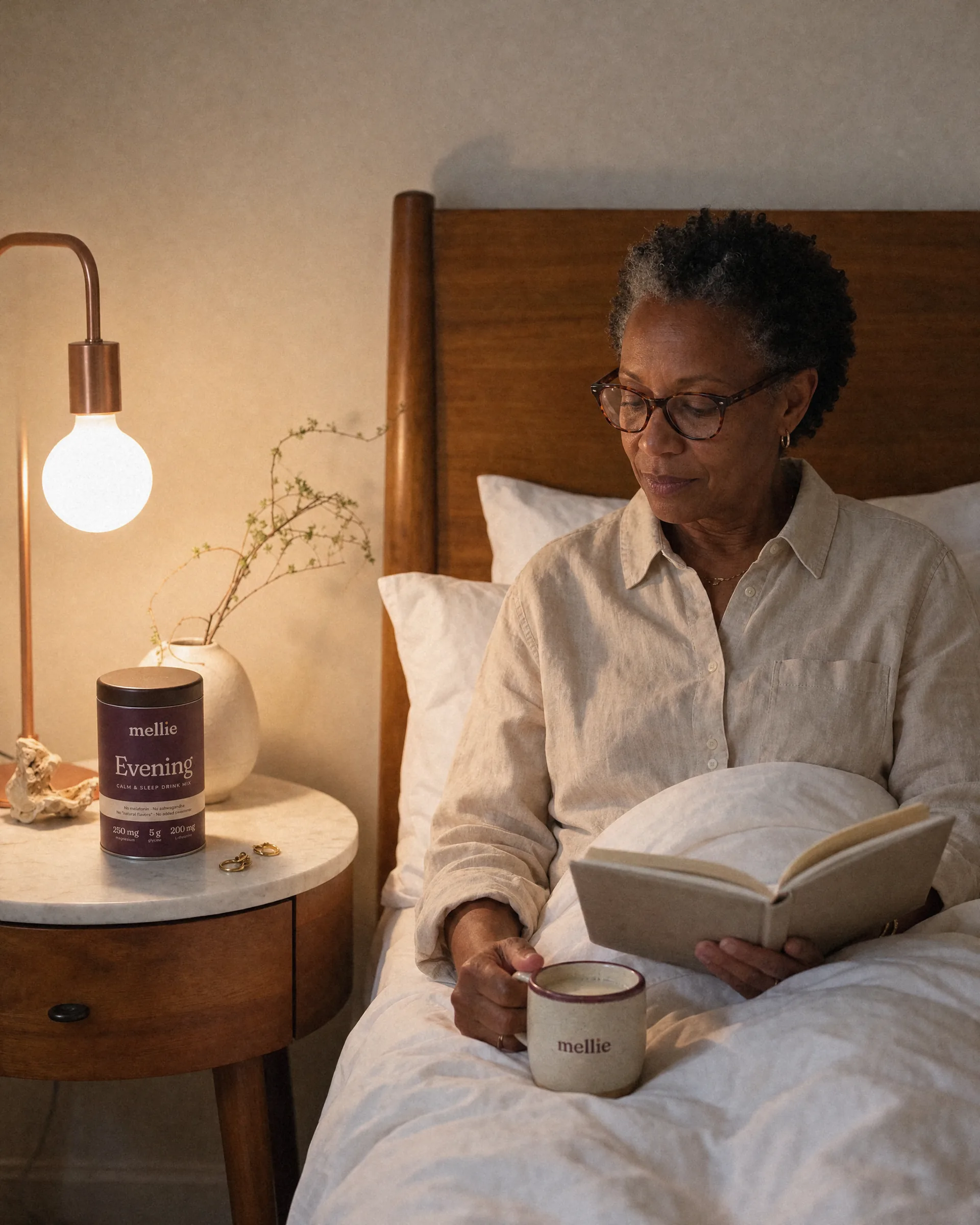
Lamps on, kettle on, phone away, one warm mug. A wind-down short enough to survive a real Tuesday, written out step by step.
The short version
- The best routine is the one you do five nights out of seven. Keep it short.
- Light is the loudest cue: lamps on, overheads off.
- Give your hands something warm and your phone somewhere else.
- Same time, most nights. Consistency beats perfection.
Short enough to keep
I've tried the hour-long routines: bath, journal, stretching, the lot. They lasted a week. What survived real life was ten minutes I could do on the worst Tuesday of the month.
The ten minutes
- Minute 0: lamps on, overheads offLow, warm light is the loudest signal that the day is over.
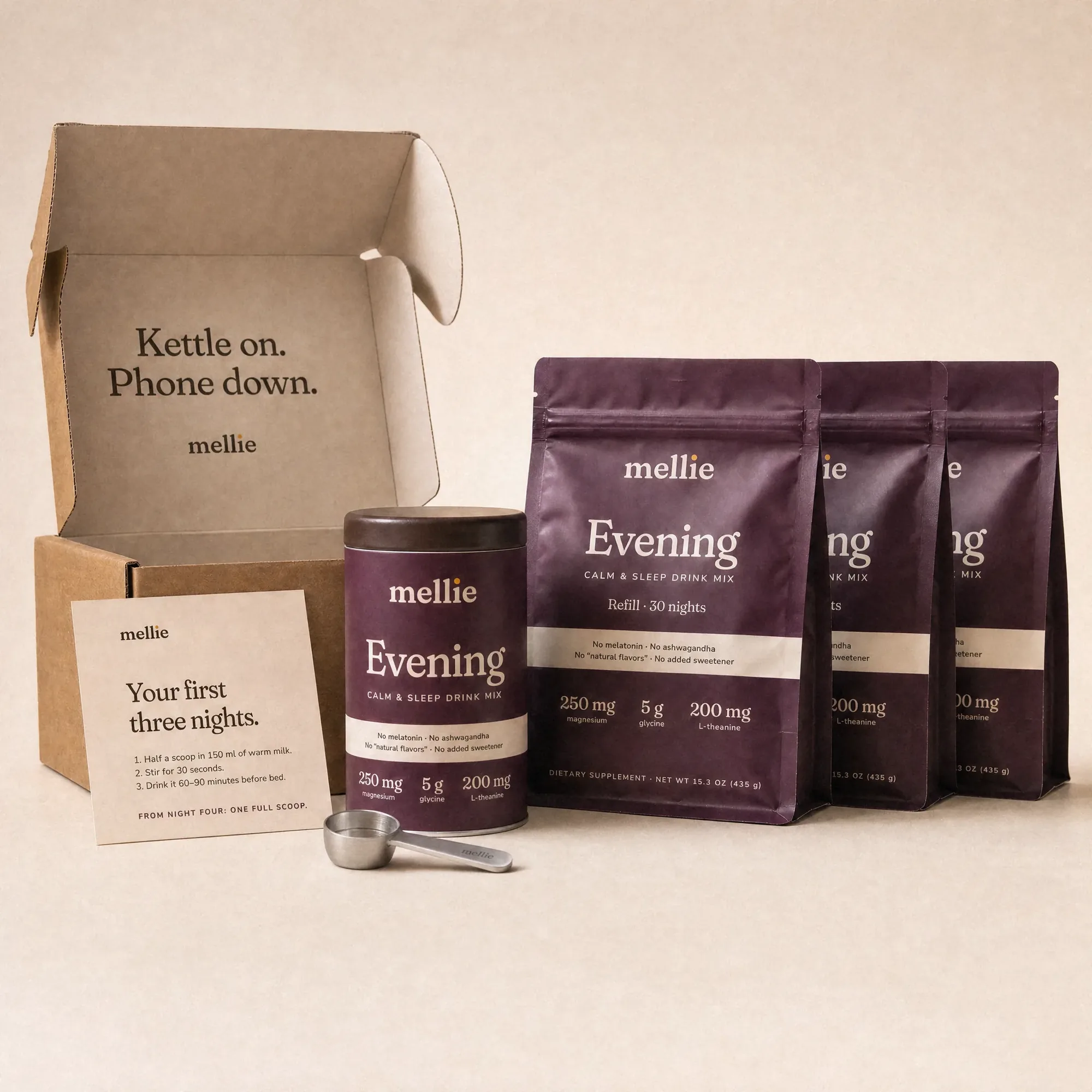
- Minute 1: kettle on, phone on the chargerIn another room if you can. Out of reach is out of mind.
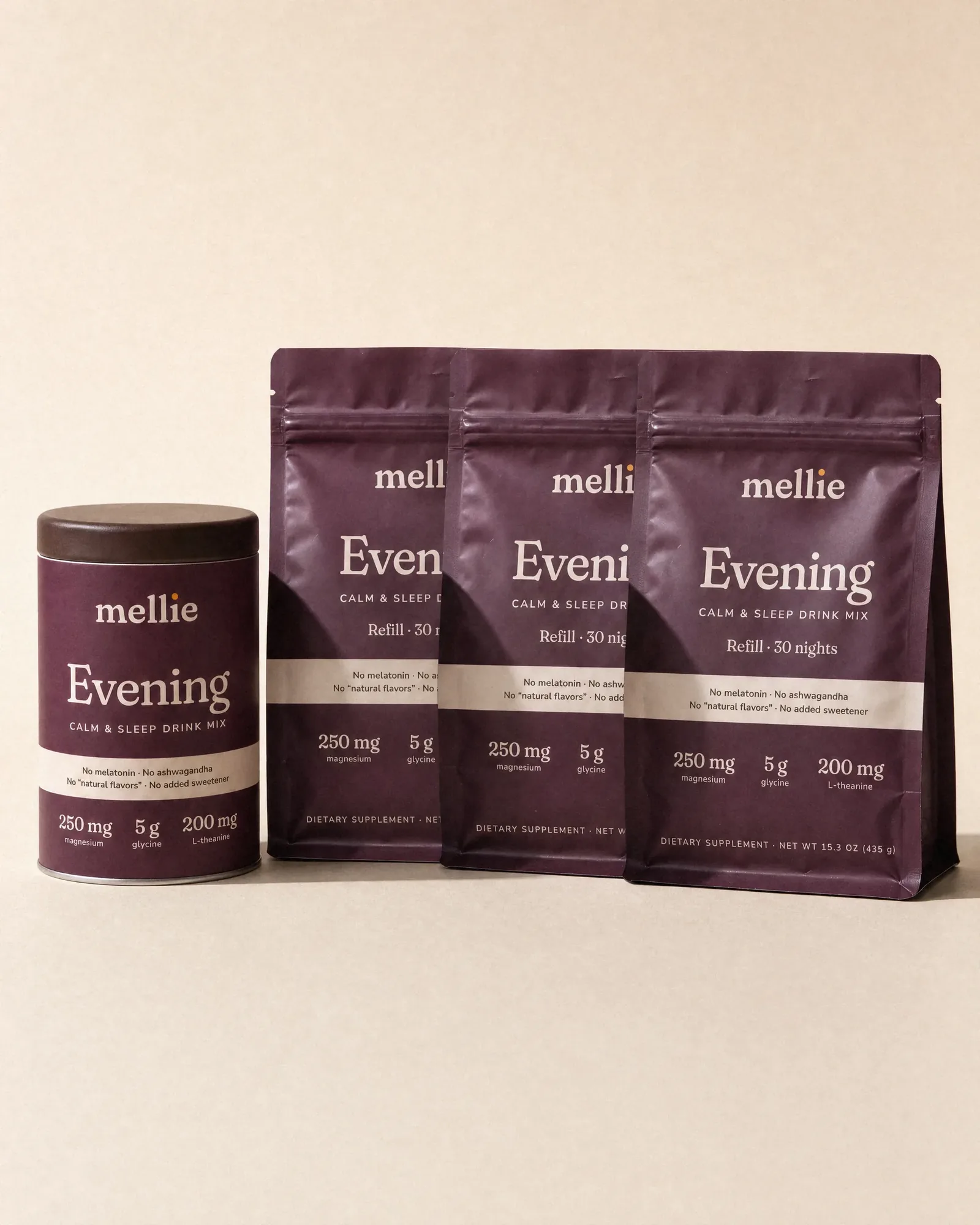
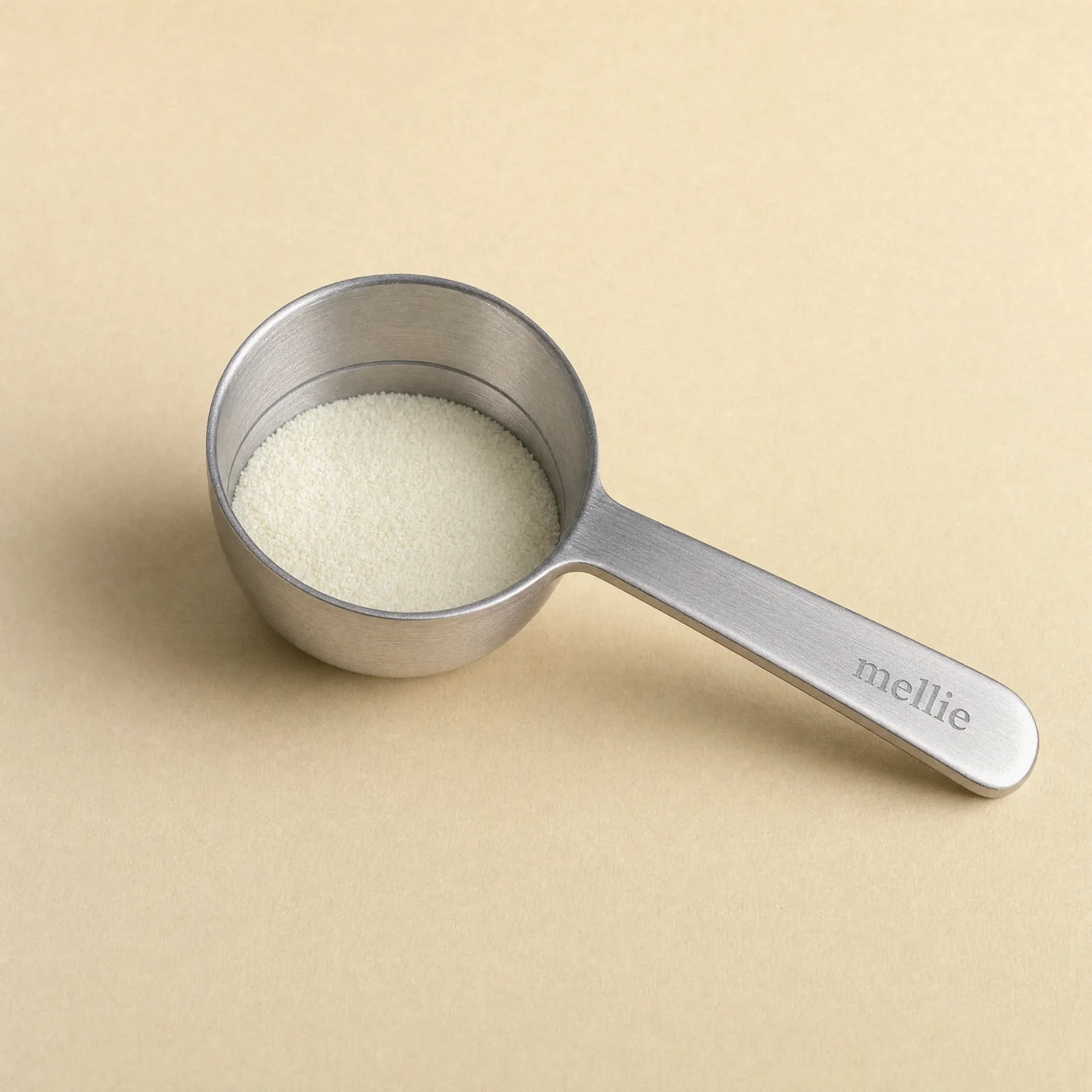
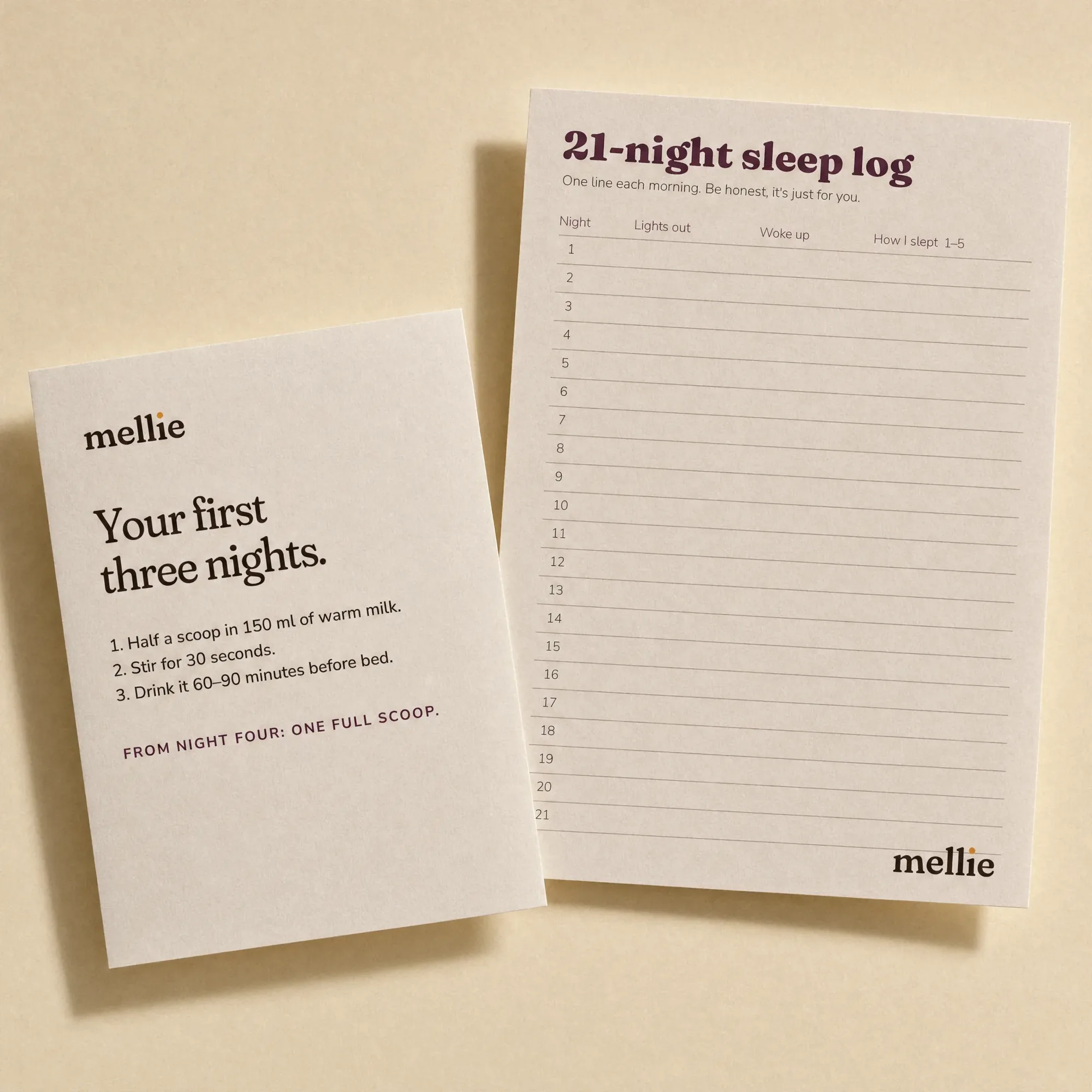
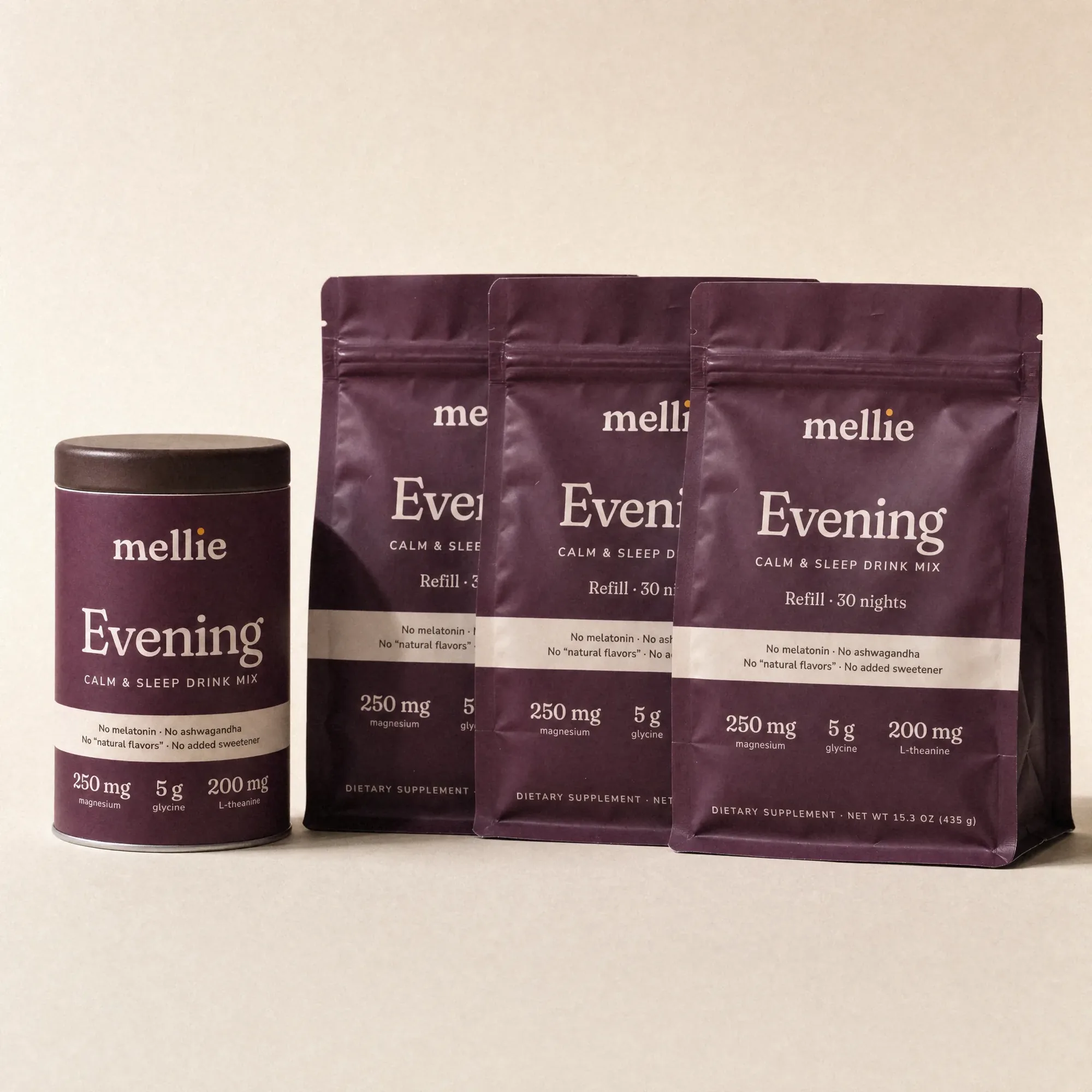
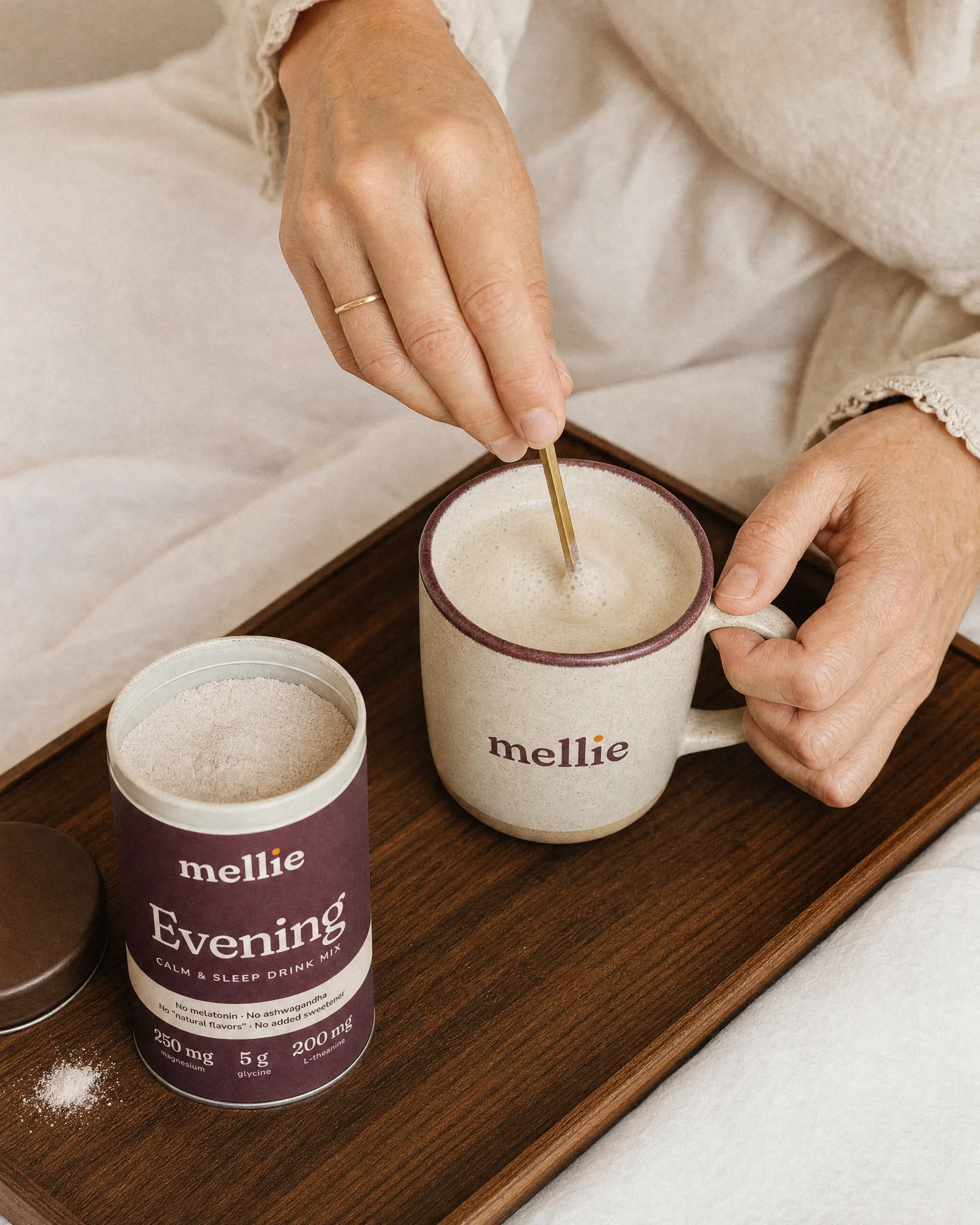
- Minute 3: one scoop, 150 ml warm milkStir or whisk. Half a scoop for your first three nights.
- Minute 5: sit down and sipSame chair, same mug. No screen. A book, the window, nothing.
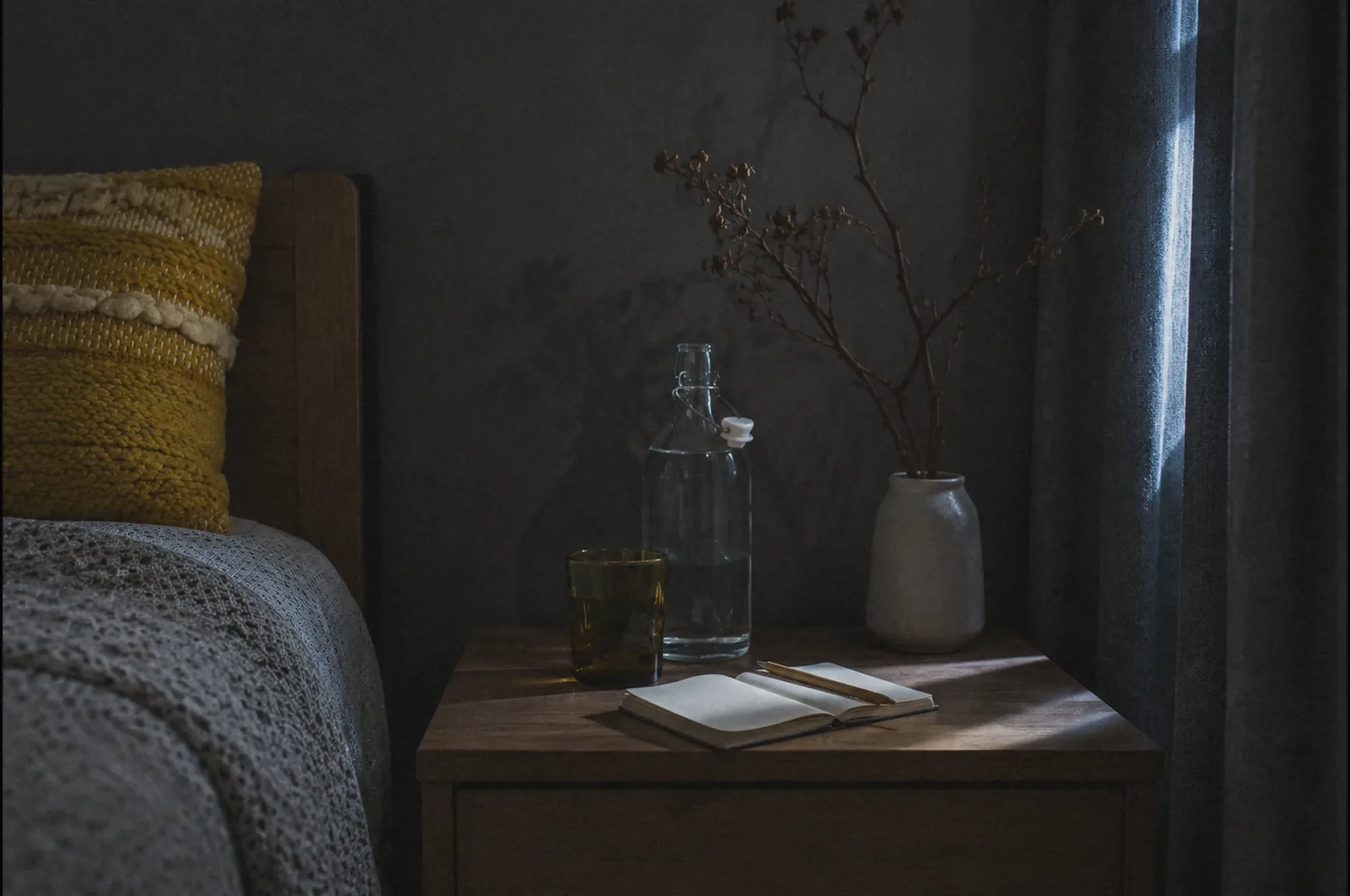
- Minute 10: tomorrow on paperThree lines in a notebook: what's on, what's worrying you. Then close it.
Not a knockout. A landing.
When to start
About 60 to 90 minutes before you want to be asleep. That gives the warmth time to fade and your body time to follow the cue. If you're in bed by 10:30, the kettle goes on around 9.
On the nights it doesn't happen
Some nights the routine won't happen. Do one piece of it: the lamp, or the mug, or the phone in the other room. The habit survives on the small version.
Questions women ask
- How long should a bedtime routine be?
- Long enough to signal the end of the day, short enough to do most nights. Ten to thirty minutes is plenty for most adults.
- Is reading in bed OK?
- A paper book in low light is a good wind-down for many people. A bright, scrolling screen is the one to leave in the other room.
Sources (2)
Placeholder list, verified at medical review before publishing.
- Irish LA, et al. The role of sleep hygiene in promoting public health: a review of empirical evidence. Sleep Medicine Reviews, 2015.
- Chang AM, et al. Evening use of light-emitting eReaders negatively affects sleep, circadian timing, and next-morning alertness. PNAS, 2015.
Template article, pending medical review. It is general reading, not medical advice. Talk to your doctor or pharmacist before starting a supplement, especially if you take medication, have kidney disease, or are pregnant or breastfeeding.
All articles